PARSE is an international artistic research publishing platform and biennial conference based in The Artistic Faculty at the University of Gothenburg, Sweden.
Upcoming events and open calls
Current
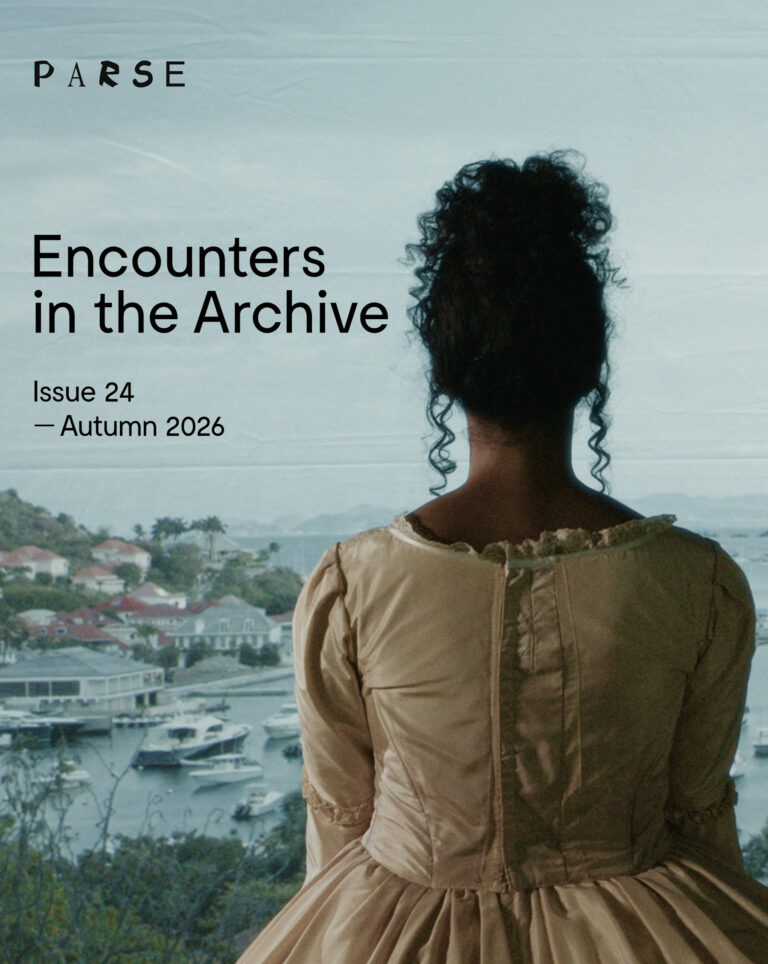
Editors – Nina MangalanayagamJyoti Mistry
The “archive fever” that Jacques Derrida describes, is the desire, impulse and drive to return to the archive as a place of origin, the commencement; a place from which one seeks to cite or locate a starting point.[1] The alternative meaning of the archive as authority, as commandment, further describes the instituting of memory, of the repository necessary to guard against forgetting. We archive because we want to remember and fear forgetting. This impulse to return to the archive is for Derrida both compulsive and destructive: in the relentless need for memory, to know the past becomes more insightfully a question of the future, of a promise and a responsibility for what is to come. It is this sense of the archive as simultaneously guarding the past and as a promise for the future that renders the archive always incomplete, because the search or desire for an origin is never satisfied, precisely because it is deferred – the archive as an institution itself mediated by technical processes and interventions that come from outside it. Arguably, Derrida’s archive fever as a metaphoric compulsive return—his thesis deeply connected to psychoanalysis and the death drive—is one among the evolving propositions of what the term archive means, its significance in the practice of institution-making and its critical use in archive studies.
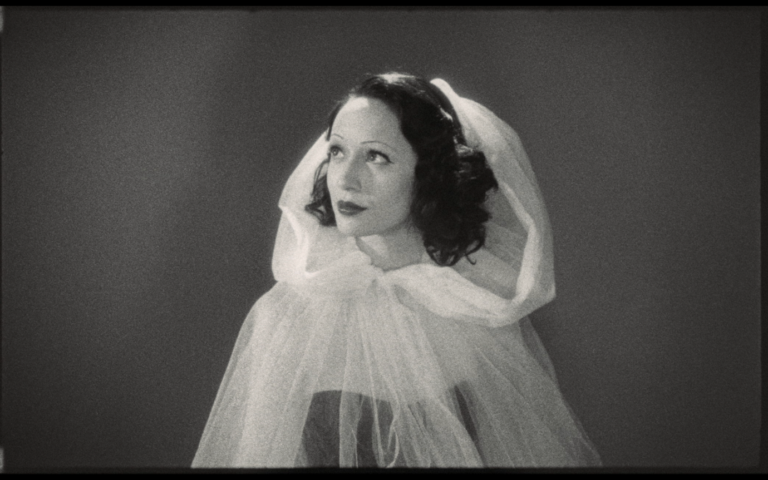
Nina Mangalanayagam, Still from Ulrica 2026 (2 screen video installation 15 min)
Previous
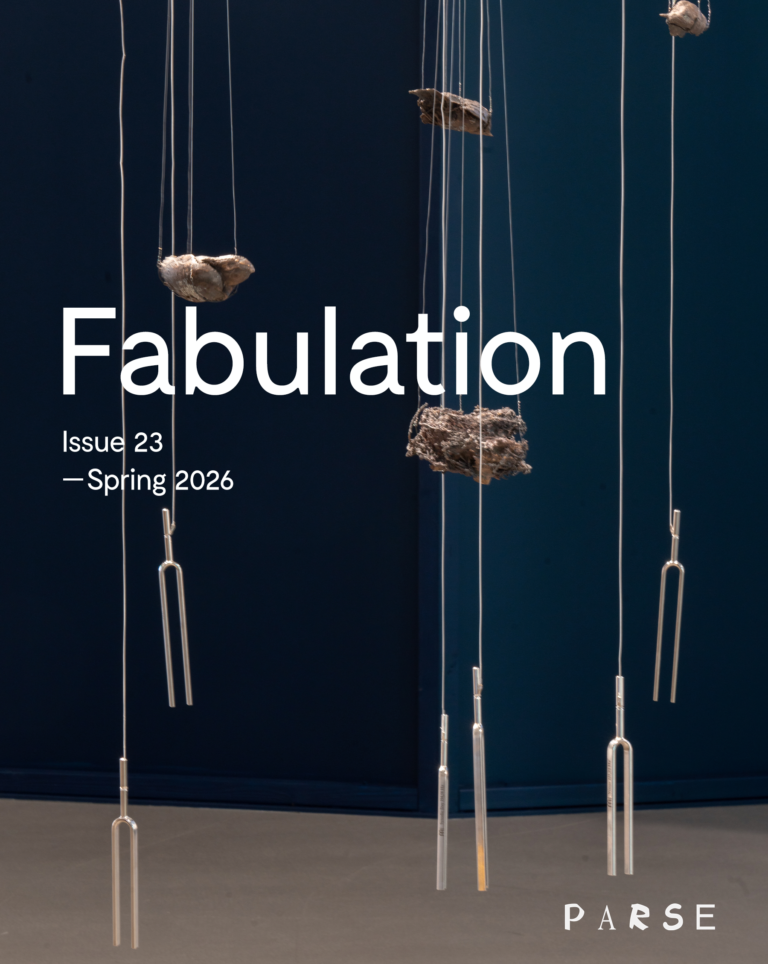
Editors – Ram Krishna RanjanJyoti Mistry
This issue of PARSE Journal emerges from a curiosity to deepen an understanding of the affordances of fabulation across a range of artistic practices, tracing convergences and divergences, dilemmas and possibilities, approaches and methods. Its contributions were shaped in part by a two-day, in-person workshop held in Gothenburg in early 2024, brought together through an Open Call, with many of the participants eventually contributing to the pages that follow.
Rather than treating fabulation as a settled concept or singular method, the contributions approach it as a site of experimentation, exploration and contestation, as a mode of engaging with absence, opacity and silenced histories, while remaining attentive to the responsibilities such engagements entail. It is invested in teasing out the situated, ethical and methodological dilemmas that emerge when fabulation is practised, and attempts to think conscientiously about what fabulation makes possible, what it risks and what it demands of those who mobilise it in the pursuit of knowledge, memory and justice and, perhaps most crucially, in dwelling in other possibilities.
Edith Marie Pasquier / Tryggve Lundberg, Living Bird: Stig, Konrad, Bryan, Brian, Pelle, Jill, John, Daniel, Tom, Ivy, Tony, Paul, 2025, Kinetic Sculpture/Instrument Bronze Figures, Tuning Forks.
Forthcoming
Territories
- Issue 25
- — Spring 2027
What happens when artistic practices cease to approach territory as an object of observation, a backdrop, or an iconographic theme, and instead operate as forms of support, listening, research, and local organization within specific contexts? Taking this premise as a starting point, the proposed issue brings together artistic practices that treat territories not as an image, but as an active field of relations, conflict and local knowledges in a present marked by profound geopolitical and ecological crises. Rather than merely thematizing landscapes or communities, the works assembled here operate through an infrastructural understanding of territory. Infrastructure, in this sense, refers not only to material support but to a systemic engagement with the surrounding context, including relations between ecology, economy, modes of production, social organization and cultural practices. The proposal draws on Chilean theorist Justo Pastor Mellado’s distinction between service-oriented and infrastructural artistic practices, privileging works that do not simply circulate within the art system but produce durable conditions for research, memory, local articulation, and knowledge production.
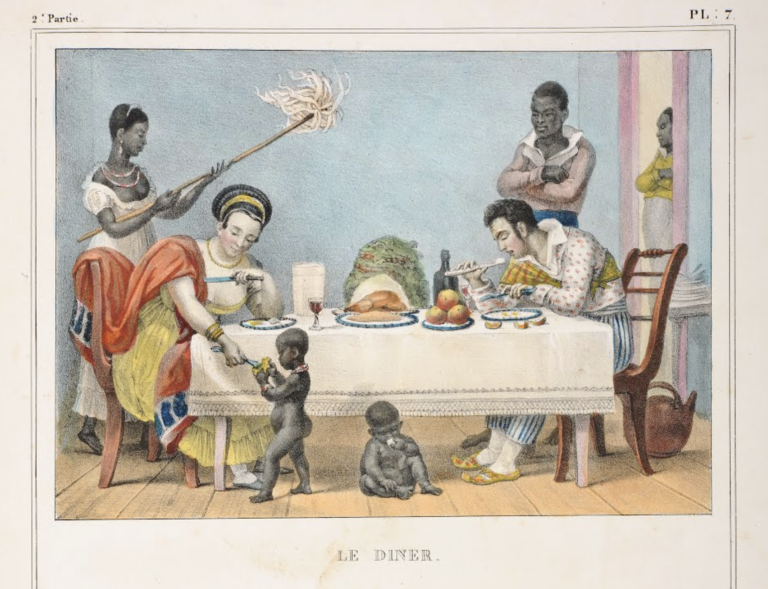
Reassembling Debret: Gê Viana and the Unlearning of Racial Iconographies
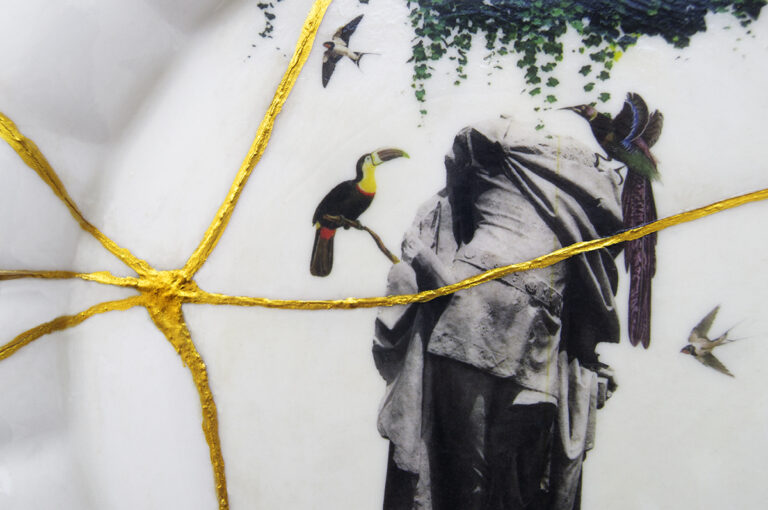
The Fallen
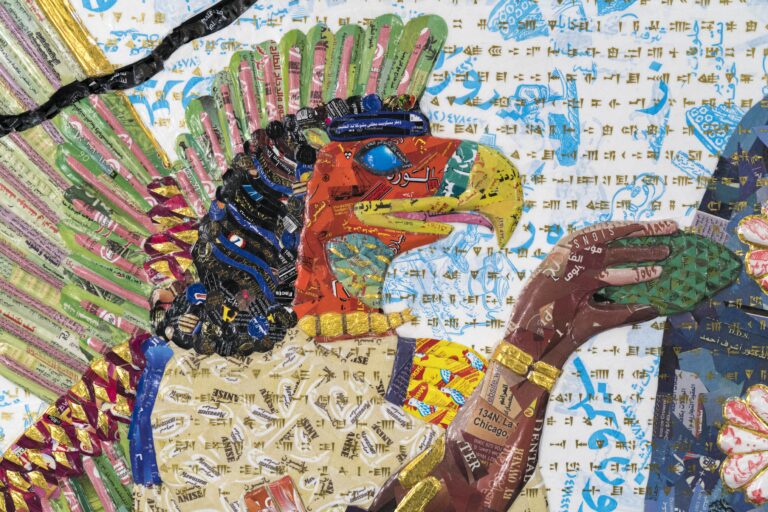
G(hosting) Institutional Memory through Exhibition-Making
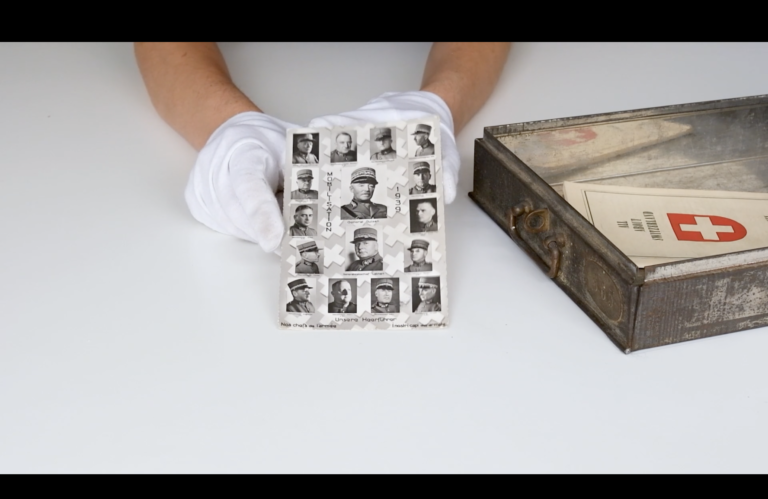
Uncovering Myth: Counter-archiving Switzerland’s Involvement in the Trading of Nazi Gold

The Archive as an Emotional Body: Decolonial Narratives within the Imperial War Museums’ Archive
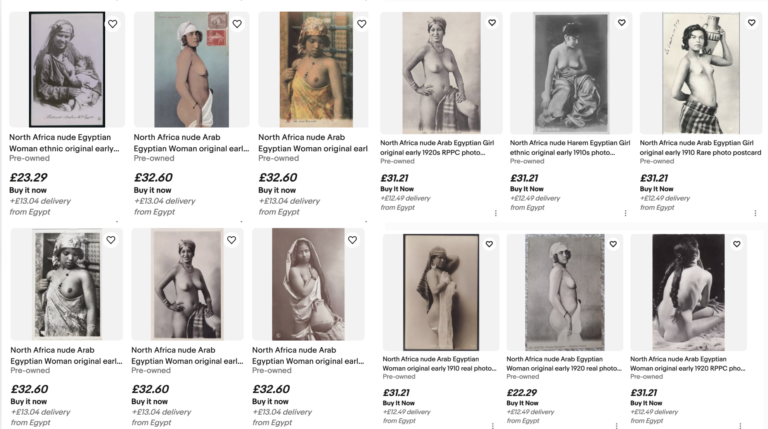
What Is the Worst Thing an Arab Woman Could Be?
Locating Subjectivities and Finding Intimacies in Archive Sources
A Conversation between Michelle Williams Gamaker and Nina Mangalanayagam, facilitated by Jyoti Mistry